
The Middle East crisis: what’s happening and how to help refugees right now
With the Middle East crisis continuing, it’s important to understand the impact it’s having and how to help refugees right now.
12.03.2026
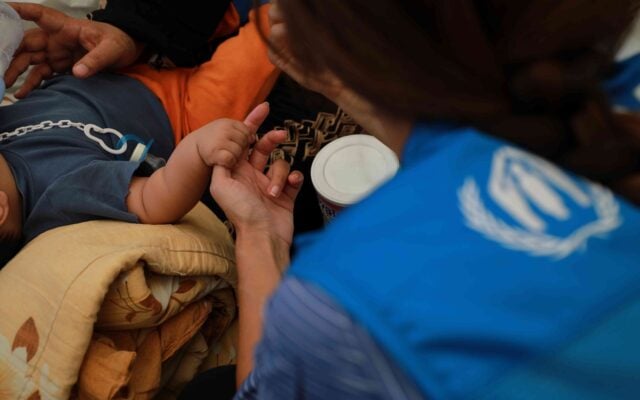
Photo credit: © UNHCR
With the escalation of conflict across the Middle East, the unfolding humanitarian emergency is worsening every single day, thousands of innocent people are being killed, their buildings, homes and healthcare facilities are being destroyed, and more than one million families are being forced to flee. In addition, this fragile humanitarian situation means that many who have already had to leave their homes are uprooted once again.
The region is currently dealing with a rapid escalation of hostilities. For many, this is not the first time they have lost everything. The current instability is compounding years of existing displacement, creating a “crisis within a crisis” where even those who had recently returned to their homes in search of safety are being forced to flee once more.
Which countries are affected by the current Middle East crisis?
The impact of this escalation is being felt across multiple countries, creating a complex web of humanitarian needs:
- Lebanon: The country is facing a massive displacement crisis due to Israeli evacuation orders and warnings across multiple areas. Over 816,700 are internally displaced, with recent numbers climbing by a staggering 100,000 in a single day.
- Iran: As of 12th March, between 600,000 and 1 million Iranian households are now temporarily displaced inside Iran as a result of the ongoing conflict, according to Iranian Government estimates, representing up to 3.2 million people.
- Syria: While already home to millions of displaced people, Syria is now seeing an influx of over 78,100 Syrian returnees – which is higher than recent average crossing numbers returning – and 7,800 Lebanese nationals fleeing the violence in Lebanon.
- Afghanistan and Pakistan: Ongoing hostilities along the border near Torkham and Khost have displaced 115,000 people in Afghanistan and nearly 3,000 in Pakistan, disrupting trade and damaging local markets.

A map showing displacement figures across the Middle East. © UK for UNHCR
How many people are displaced because of the Middle East crisis?
The speed of the displacement is staggering. In Lebanon alone, nearly 120,000 people are crammed into 567 collective shelters, of which 90% are already at full capacity. Furthermore, the crisis is seeing some refugees compelled to return to their home countries Since the start of this specific emergency, 78,100 Syrians and 27,400 Afghans have returned to their home countries. These are often people who have lost their livelihoods and safety in their host countries and feel they have no choice but to return to precarious situations back home.
What is UNHCR doing to provide refugee support right now?
UNHCR teams are on the ground directly supporting displaced people across the Middle East, ensuring that lifesaving assistance can be expanded rapidly as the situation evolves.
Core relief items
UNHCR is distributing essential supplies to help displaced families survive. In Lebanon, UNHCR has already distributed over 167,600 core relief items, including blankets and essential kitchen equipment, to people in collective shelters. In Syria, teams are providing water and basic relief items at active border crossings to support families from the moment they arrive.
Delivering shelter support
With nearly 90% of shelters in Lebanon at capacity, providing a safe place to sleep is a top priority. UNHCR has assisted nearly 64,000 people across 278 shelters in Lebanon so far. In Syria, staff are assessing the needs of returnees to ensure they have access to adequate shelter as they attempt to reintegrate into a country still reeling from its own long-term conflict.
Urgent Protection and Legal Assistance
Displacement often leaves people without the legal documents they need to access services. UNHCR is providing legal assistance at border crossings and helping families navigate documentation.
Emergency Healthcare and Counselling
The psychological toll of this conflict is immense. UNHCR maintains operational helplines and reception areas in Iran to provide counselling and information to refugees and others in need of international protection.
How can you support refugees in the Middle East?
By supporting UK for UNHCR, you are helping us remain agile. Your donations allow UNHCR to respond not only to the immediate Middle East crisis but also to the needs of refugees and displaced people around the world.
Donate to UK for UNHCR
Your donations provide what we call ‘flexible funds’, which are essential for responding rapidly during volatile, shifting emergencies across the world, not just the Middle East region. These donations allow UNHCR’s teams to provide immediate relief items, such as blankets and clean water, to those forced to flee.
Host a fundraising event
From bake sales to sponsored runs, these events help raise the vital funds needed to scale up UNHCR’s services. Organising an event is a powerful way to engage the people around you and provide the donations that refugees are increasingly requiring for their own survival.
Continue to learn more and deepen your understanding
You can find updated stats and information about the ongoing Middle East crisis by visiting these pages:
- Middle East Crisis page
- UK for UNHCR news pages
- UK for UNHCR media centre
- UNHCR Situation Portal
- Iran Operational Data Portal
Spread these messages and become an advocate
Share our social media updates to help combat misinformation and keep the crisis in the public eye. By advocating for an estimated 4.1 million displaced in the Middle East, you ensure their voices are heard and their needs are not forgotten by everyone across the world.