
UNHCR’s Gamechanging Team
A team embodying what is possible.
The ‘Gamechanging team’ line-up creative was produced using AI, with all images based on the permissions and real images provided by the players, and full informed consent provided.
A Gamechanging Summer
Revealed in celebration of the FIFA Men’s World Cup 2026, UNHCR, the UN Refugee Agency’s Gamechanging team is a symbolic line-up of players with a refugee or displacement background. The team represents what is possible when people forced to flee are offered safety, opportunity and the chance to reach their full potential. They stand together, with refugees and displaced people around the globe, to embody hope, courage and resilience.
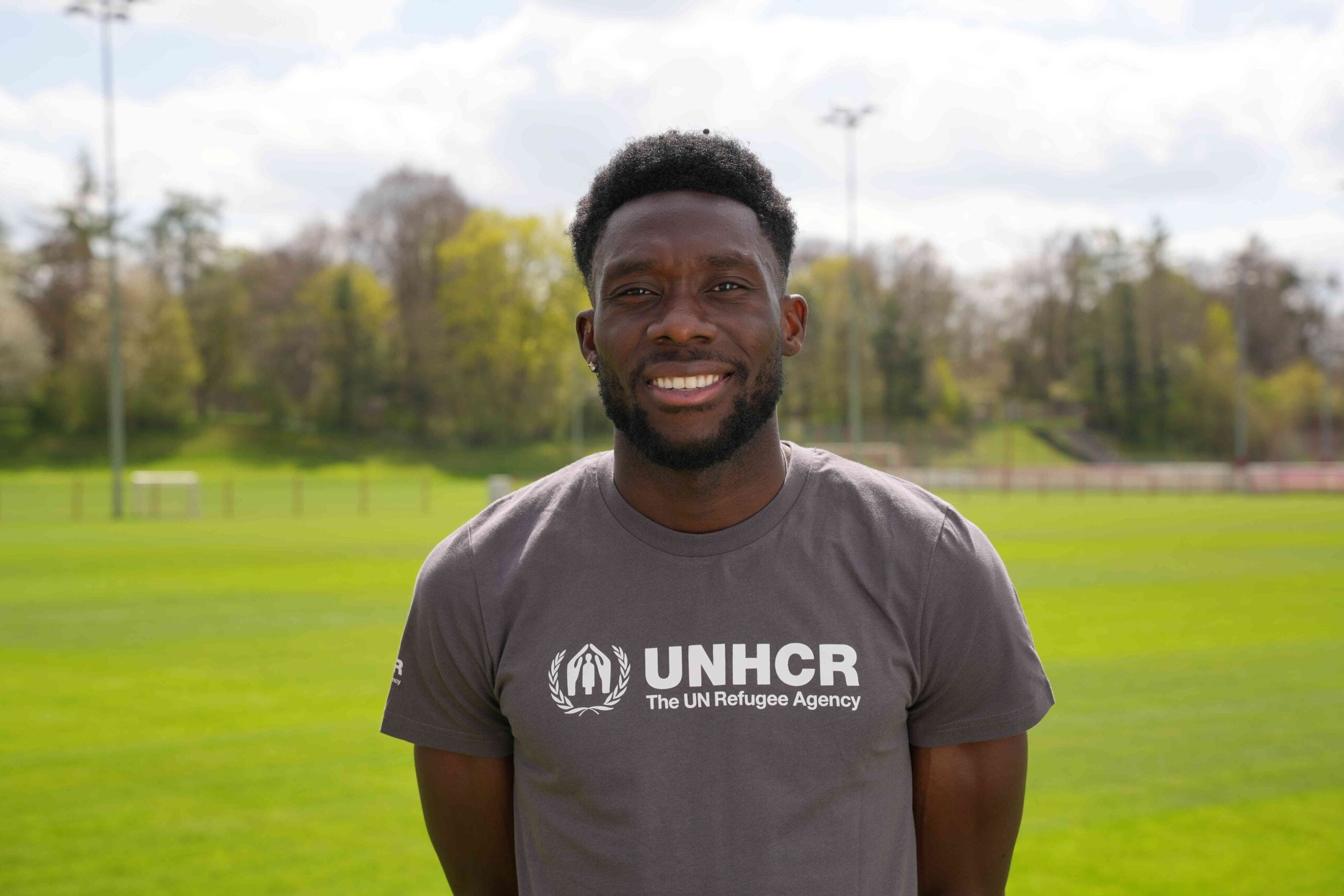
Captained by UNHCR Goodwill Ambassador Alphonso Davies, who was born in a refugee camp in Ghana after his parents fled war in Liberia before being resettled to Canada, the team brings together players with a refugee or displacement background.
“It’s so special to lead UNHCR’s Gamechanging team – a team of players whose childhoods have all been touched by war and displacement. We show what is possible when kids find safety and opportunity. In times like these, I hope we can bring hope and a belief that no matter how hard the road is, you always can overcome it.”
— Alphonso Davies, UNHCR Goodwill Ambassador and Canada Men’s National Team captain.
Meet the team
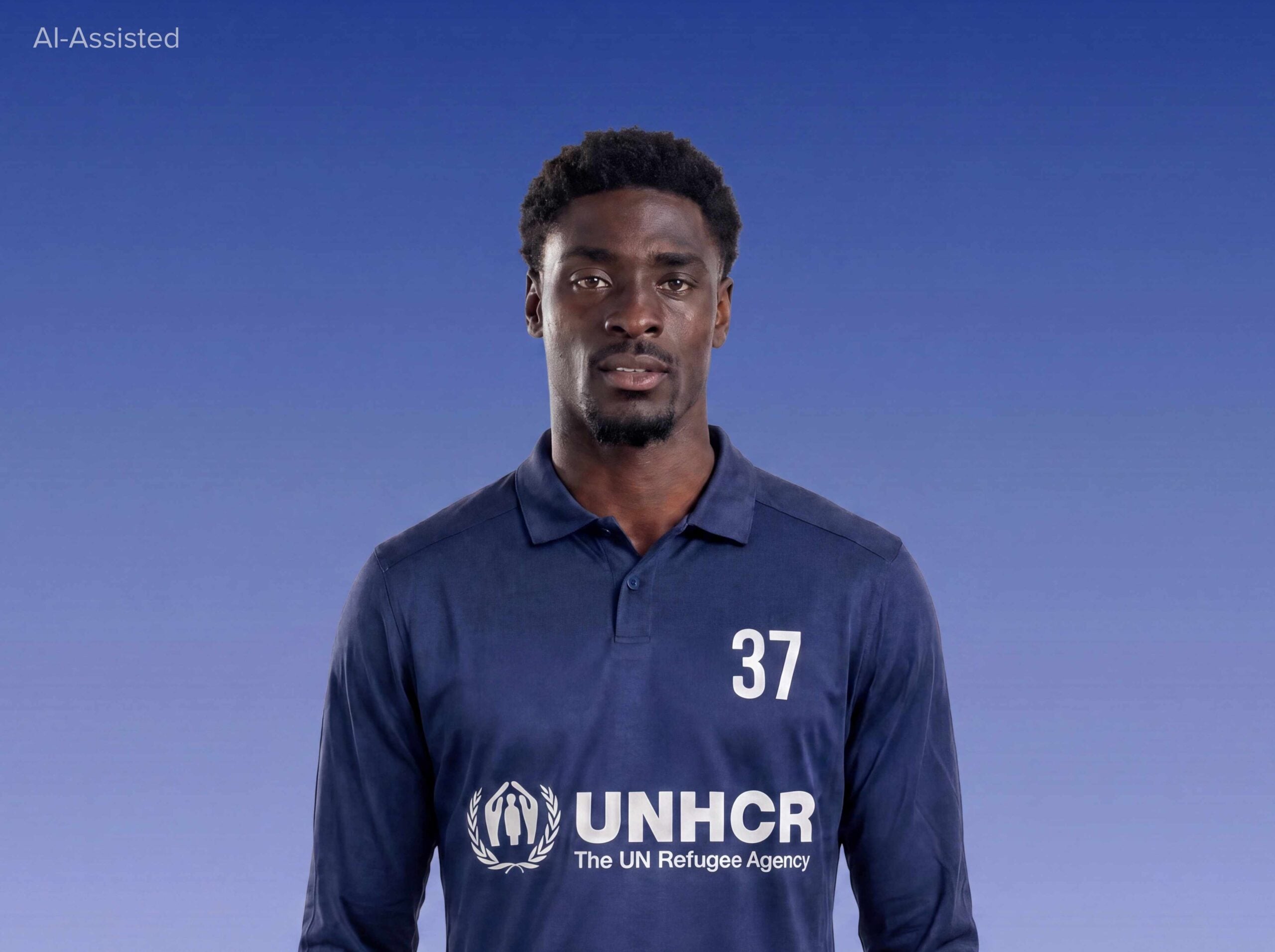
Mohamed Touré
Centre-forward
Football has always been more than a game for me. My family came to Australia as refugees, and growing up, the sport gave me freedom, belief and a sense of belonging. I hope sharing my story shows young refugees that where you start in life does not define what you can achieve.
Mohamed Touré was born in Guinea after his parents were forced to flee conflict in Liberia. As a young child, Touré was resettled in Australia, growing up in Adelaide. He went on to play for Adelaide United, now plays for Norwich City and is set to represent the Australia at his first World Cup.
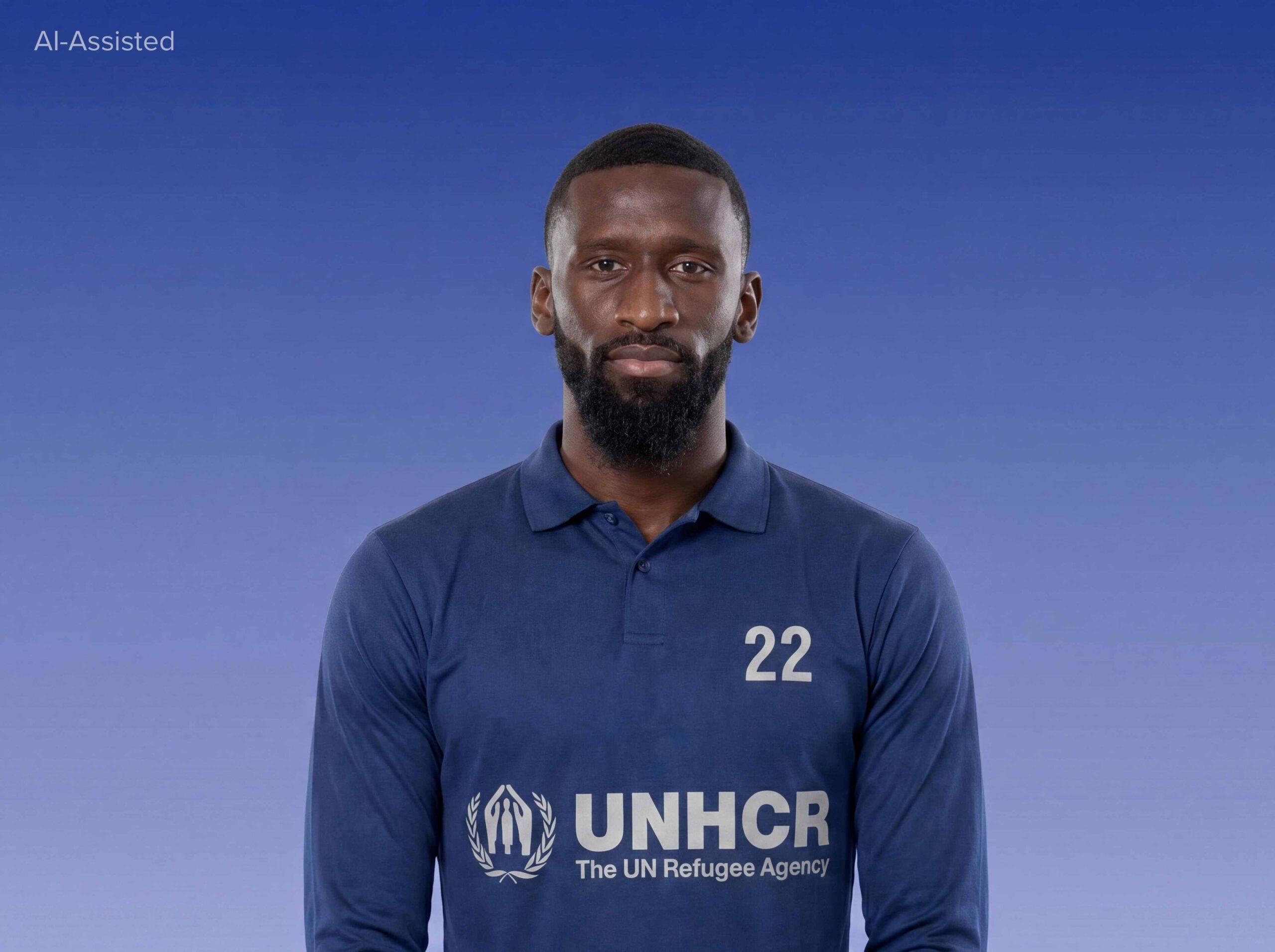
Antonio Rüdiger
Central defender
My story is an example to others that you can make it from nowhere to somewhere. I want to support and motivate young people trying to make it in life.
Antonio Rüdiger grew up in Germany after his parents fled war in Sierra Leone. On the pitch, he now plays for Real Madrid FC and he represents the German national team. Off the pitch, he founded the Antonio Rüdiger Foundation supporting children in Sierra Leone.
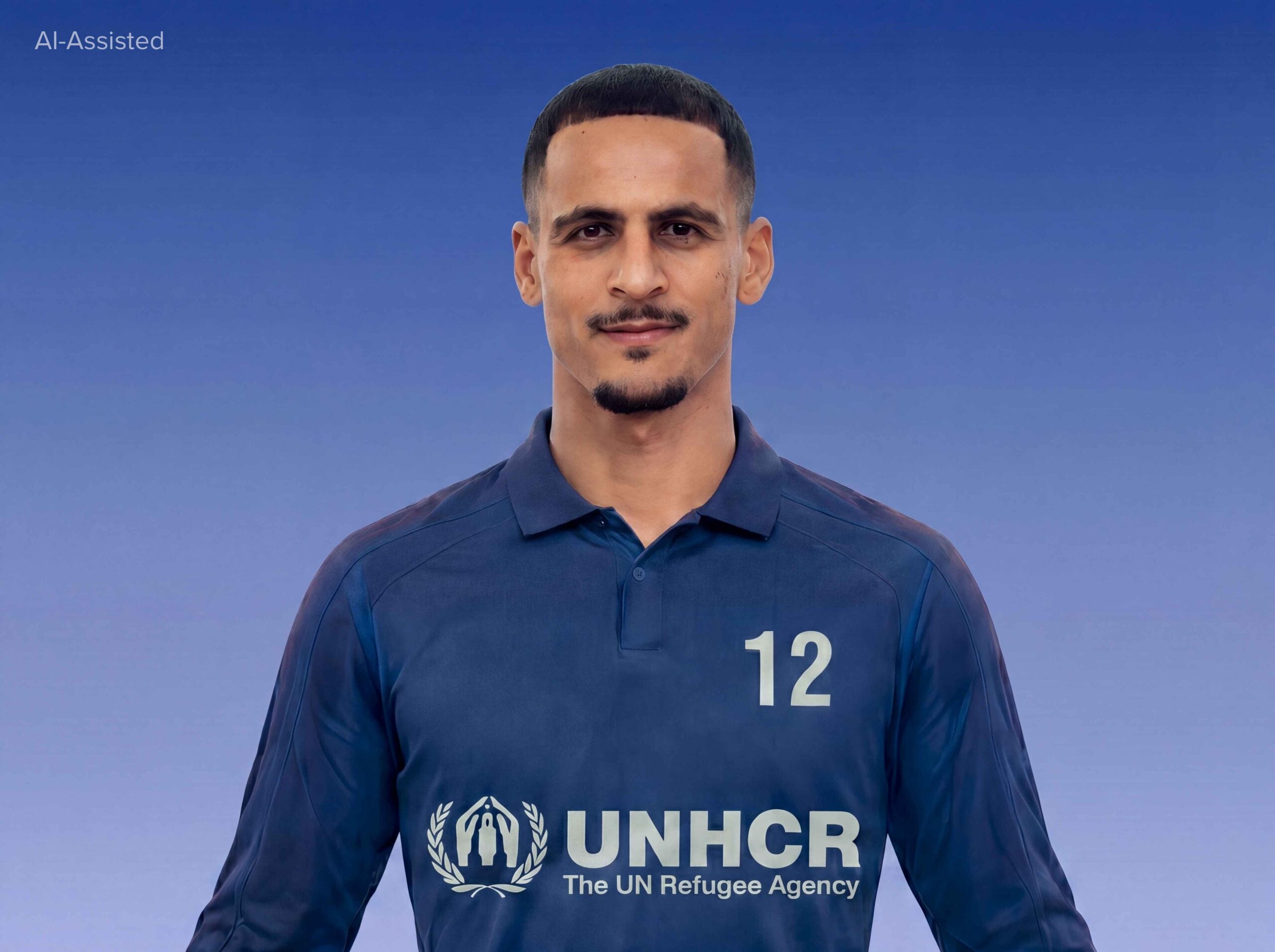
Ali Al-Hamadi
Forward
My parents fled Iraq when I was very young. Packed up everything, new country, new language. I owe everything to them. I want to remind people there’s always light at the end of the tunnel.
Ali Al-Hamadi’s family fled from Iraq to the UK when he was one. He is the first Iraqi footballer to play in the Premier League. He currently plays for Luton Town and for Iraq’s national team. He helped Iraq qualify for their first World Cup in over 40 years.
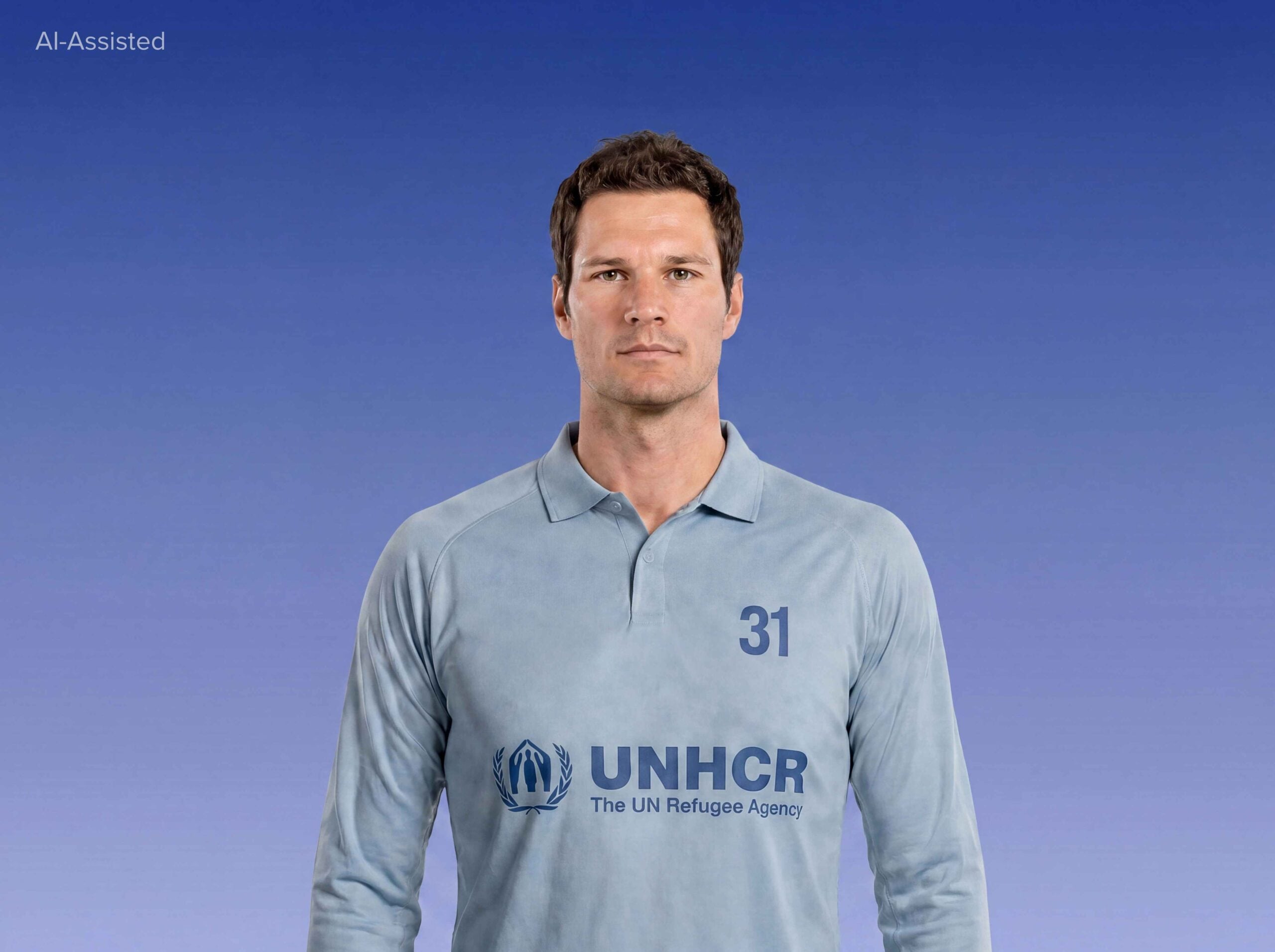
Asmir Begović
Goalkeeper
Being forced to flee home as a child stays with you for life. It made me who I am. Football gave me stability, purpose and belonging. For young refugees, the game can keep dreams alive.”
Aged four, Asmir Begović and his family fled the Bosnian war to Germany. He later represented the Bosnia and Herzegovina national team at their first-ever World Cup in 2014 and enjoyed a long career in England, including with Chelsea FC. His foundation supports children from disadvantaged backgrounds through sports.
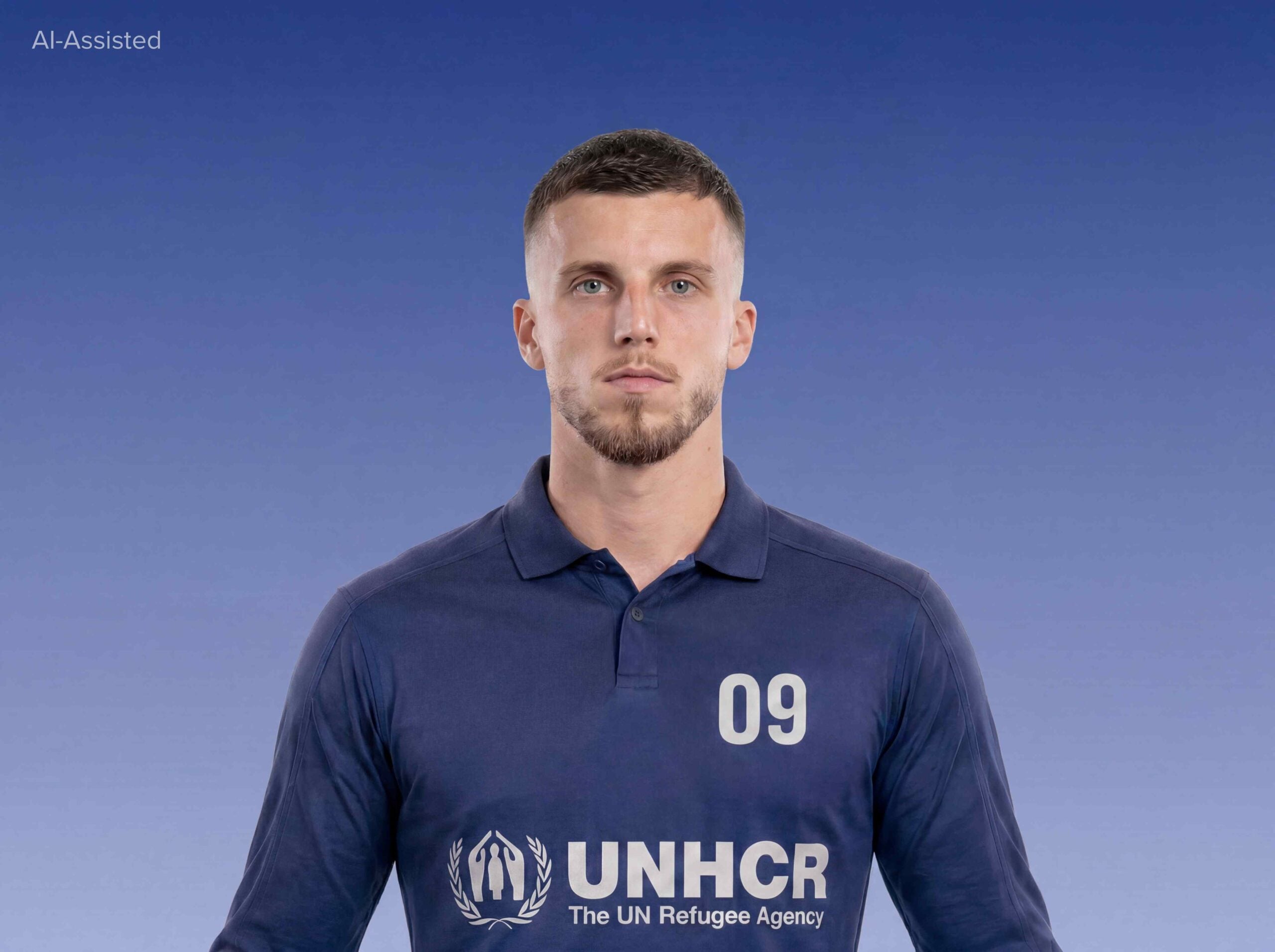
Ermedin Demirović
Striker
This UNHCR team shows the power of football to change lives. My father fled Bosnia around the time of the war, and I was born in Germany. To now represent Bosnia and Herzegovina at only its second-ever World Cup makes me incredibly proud.
Ermedin Demirović’s father fled Bosnia around the start of the conflict and built a new life in Germany, where Ermedin was born and raised. He now plays for VfB Stuttgart and represents the Bosnia and Herzegovina national team, helping the country qualify for its second-ever World Cup.
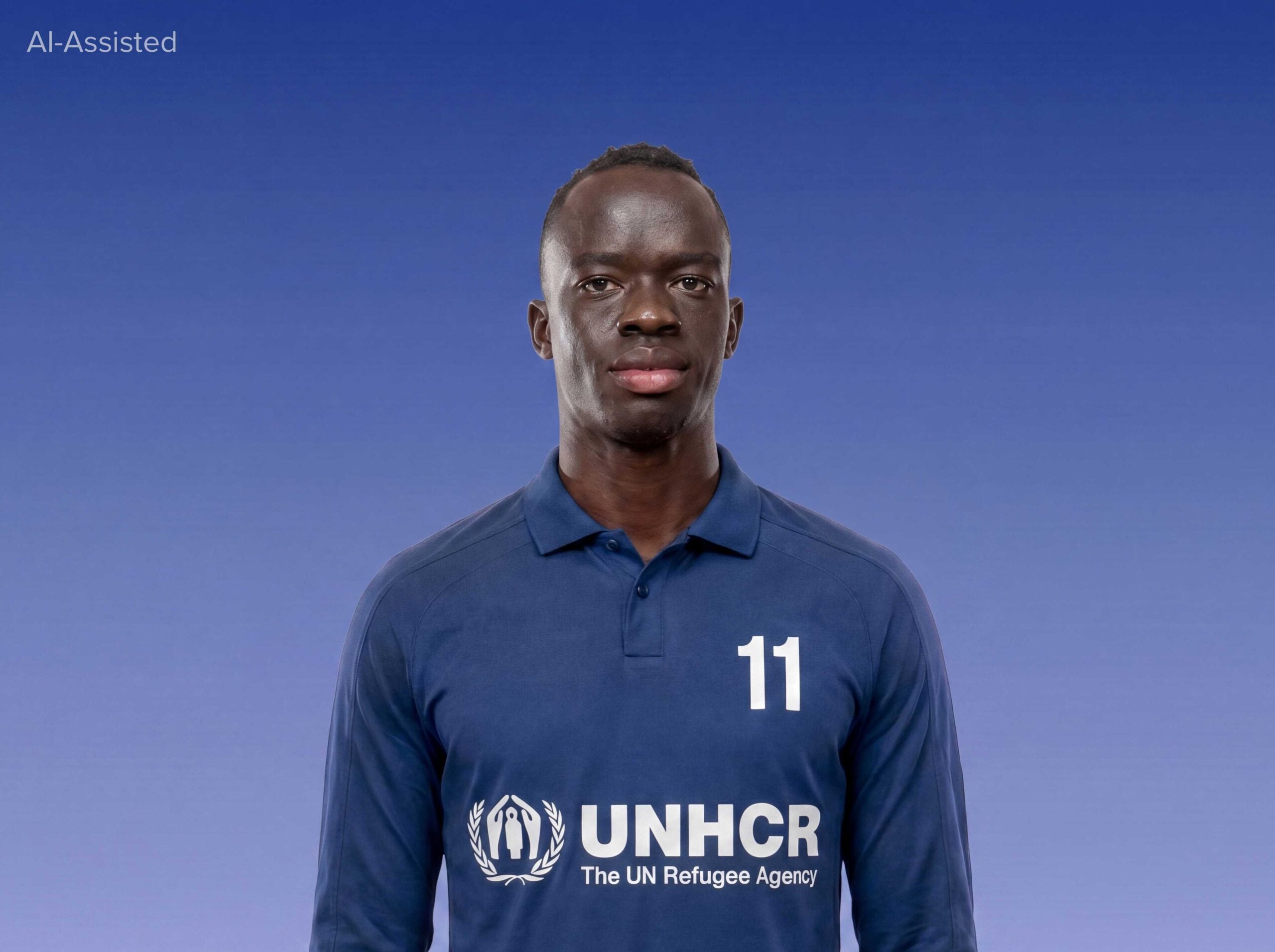
Awer Mabil
Winger
Growing up in a refugee camp, football was more than a game to me – it was freedom and hope. It helped me believe that life could be different. For young refugees today, the game can still open doors and inspire them to imagine a brighter future.
Awer Mabil was born in Kakuma refugee camp in Kenya to South Sudanese parents who had fled conflict. He was resettled in Australia when he was 10, where football helped shape his future. Mabil represents Australia’s national team, including at the 2022 World Cup, and now plays for CD Castellón in Spain. He also founded a charity, Barefoot to Boots, supporting young refugees through sport and education.
Mohamed Touré
Centre-forward
Football has always been more than a game for me. My family came to Australia as refugees, and growing up, the sport gave me freedom, belief and a sense of belonging. I hope sharing my story shows young refugees that where you start in life does not define what you can achieve.
Mohamed Touré was born in Guinea after his parents were forced to flee conflict in Liberia. As a young child, Touré was resettled in Australia, growing up in Adelaide. He went on to play for Adelaide United, now plays for Norwich City and is set to represent the Australia at his first World Cup.
Antonio Rüdiger
Central defender
My story is an example to others that you can make it from nowhere to somewhere. I want to support and motivate young people trying to make it in life.
Antonio Rüdiger grew up in Germany after his parents fled war in Sierra Leone. On the pitch, he now plays for Real Madrid FC and he represents the German national team. Off the pitch, he founded the Antonio Rüdiger Foundation supporting children in Sierra Leone.
Ali Al-Hamadi
Forward
My parents fled Iraq when I was very young. Packed up everything, new country, new language. I owe everything to them. I want to remind people there’s always light at the end of the tunnel.
Ali Al-Hamadi’s family fled from Iraq to the UK when he was one. He is the first Iraqi footballer to play in the Premier League. He currently plays for Luton Town and for Iraq’s national team. He helped Iraq qualify for their first World Cup in over 40 years.
Asmir Begović
Goalkeeper
Being forced to flee home as a child stays with you for life. It made me who I am. Football gave me stability, purpose and belonging. For young refugees, the game can keep dreams alive.
Aged four, Asmir Begović and his family fled the Bosnian war to Germany. He later represented the Bosnia and Herzegovina national team at their first-ever World Cup in 2014 and enjoyed a long career in England, including with Chelsea FC. His foundation supports children from disadvantaged backgrounds through sports.
Ermedin Demirović
Striker
This UNHCR team shows the power of football to change lives. My father fled Bosnia around the time of the war, and I was born in Germany. To now represent Bosnia and Herzegovina at only its second-ever World Cup makes me incredibly proud.
Ermedin Demirović’s father fled Bosnia around the start of the conflict and built a new life in Germany, where Ermedin was born and raised. He now plays for VfB Stuttgart and represents the Bosnia and Herzegovina national team, helping the country qualify for its second-ever World Cup.
Awer Mabil
Winger
Growing up in a refugee camp, football was more than a game to me – it was freedom and hope. It helped me believe that life could be different. For young refugees today, the game can still open doors and inspire them to imagine a brighter future.
Awer Mabil was born in Kakuma refugee camp in Kenya to South Sudanese parents who had fled conflict. He was resettled in Australia when he was 10, where football helped shape his future. Mabil represents Australia’s national team, including at the 2022 World Cup, and now plays for CD Castellón in Spain. He also founded a charity, Barefoot to Boots, supporting young refugees through sport and education.
Also Part of the Gamechanging Team
Nestory Irankunda
Nestory Irankunda was born in a refugee camp in Tanzania to parents who had fled conflict in Burundi. His family later resettled in Australia, where he grew up and started playing football, breaking through at a young age with Adelaide United. He now plays for Watford FC and the Australia national team. He is set to represent Australia at his first World Cup this summer.
Victor Moses
Victor Moses was born in Lagos, Nigeria, and grew up in Kaduna. When he was 11 his relatives arranged for him to travel to the United Kingdom where he found safety and rebuilt his life. He went on to represent Nigeria, winning the 2013 Africa Cup, won trophies with Chelsea FC and played professionally around the world.
Eduardo Camavinga
Player for Real Madrid, whose parents lived through war in Angola and started a new life in France. He now plays for the French national team.
Bernard Kamungo
Bernard Kamungo was born in the Nyarugusu Refugee Camp in Tanzania after war and violence forced his family to flee their home in the Democratic Republic of Congo. When Bernard was 14, he and his family were resettled to the United States. Kamungo now plays for FC Dallas and has also represented the United States national team.
The power of sport
UNHCR’s Gamechanging team is a powerful symbol of what becomes possible when children forced to flee find safety, opportunity and a warm welcome in a new country. Launched in a year that marks both the biggest ever Men’s World Cup and 75 years of refugee protection, this unique team of eleven professional footballers – each shaped by conflict, displacement or its consequences – stands as a testament to hope, courage and resilience. Their journeys show how football can transform lives, offering belonging, community, opportunity and the chance to dream. Football is more than a game – it’s a game changer.
Take our quiz
Shop now & give the gift of sport
Sport is a gamechanger for forcibly displaced people everywhere – and your purchase can be the proof.
When you purchase an item from our online shop, your donation could provide a full set of sports kit and equipment for a team of 11 young refugees, giving them the chance to run, play and reconnect through sport. Your support could offer a whole team the joy, friendship and hope that sport can bring.
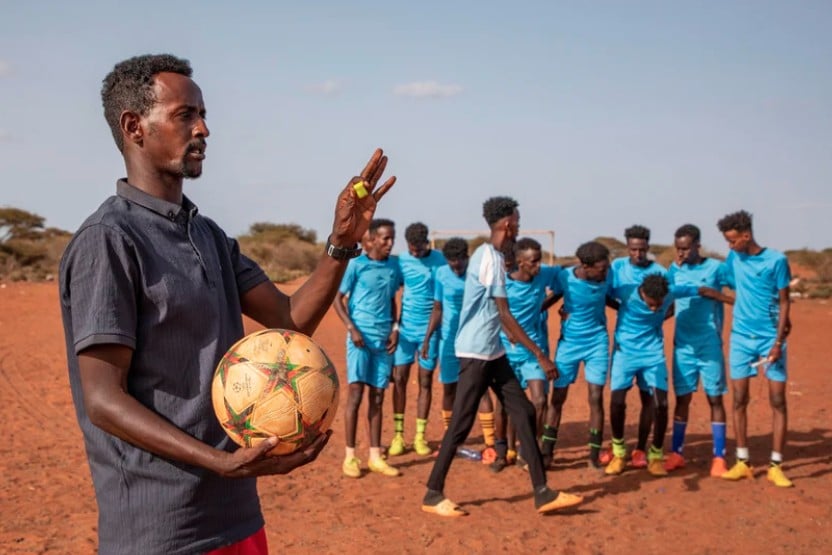
Photo: © UNHCR/Diana Diaz