
Nigeria crisis
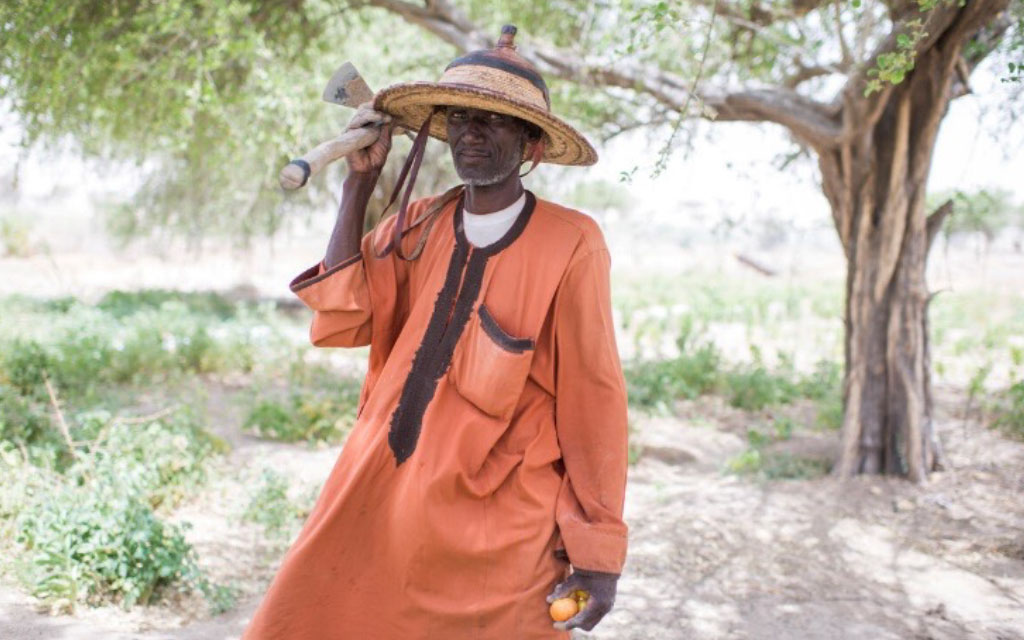
Zakariyya and his family were forced to flee their village in Nigeria in 2014, and are now trying to rebuild their lives in El-Miskin camp. However, floods caused the family to lose everything again.
Photo: © UNHCR/Colin Delfosse
Last updated 12th December 2025
Zakariyya and his family are amongst 3.6 million refugees and internally displaced Nigerians who are struggling to survive. Please support them with lifesaving aid today.

Shelter
for families who’ve fled with nothing.

Essential supplies
like mattresses, blankets and kitchenware.

Protection
especially of children, women and older people.
What’s happening in Nigeria?
Nigeria remains at the centre of a complex displacement situation impacting West and Central Africa. It holds 3% of the world’s forcibly displaced persons, including over 3.5 million people displaced within the country and over 130,000 refugees.
Alongside this, conflict, insecurity, adverse weather events such as floods, and economic fragility continue to drive new displacement.
UNHCR is working hard to protect and shelter displaced families, provide them with lifesaving aid and help them recover from what they’ve been through.
Can you tell us more about the flooding?
In 2024, severe floods in the northeast of Nigeria affected over 480,000 people, shutting down transport lines and destroying thousands of hectares of farmlands just before the harvest season. Many of those affected had already been forced to flee their homes by conflict and the impacts of climate change.
UNHCR is on the ground across Nigeria delivering critical aid like tarpaulin sheets to help displaced families build makeshift shelters and shield themselves from the ongoing rain.
What is causing people to flee in Nigeria?
Displacement in Nigeria stems from various factors, including persistent conflict, recurring communal violence and increasing extreme weather events. Attacks by non-state armed groups continues to drive displacement in Nigeria, forcing families to flee. Nearly 400,000 Nigerian refugees remain in neighbouring countries, whilst 3.5 million Nigerians are displaced within the country.
Where are refugees in Nigeria from?
Nigeria hosts approximately 140,000 refugees from over 40 countries, predominantly from Cameroon (84%), mostly living alongside host communities.
There are also many Nigerian refugees returning to the country.
What other problems are Nigerian families facing?
Families in Nigeria are battling hunger, malnutrition, insecurity, environmental disasters and conflict via non-state armed groups. Despite efforts of government and humanitarian aid, funding shortages are hindering aid provision.
Where is UNHCR working?
UNHCR is helping displaced families in Nigeria – as well as working in neighboring Niger, Cameroon and Chad to improve protection, help refugees claim asylum and ensure they’re not forced to return home against their will.
Where can I access the latest data and reports?
Nigeria Operations – for the latest on UNHCR’s relief work to protect displaced people inside Nigeria.
Nigeria Situation Portal – for the latest updates on the crisis overall, including UNHCR situation reports, funding requirements and UNHCR’s support for neighbouring countries taking in refugees from Nigeria.
Did you know we’re providing vital psycho-social support to survivors of sexual and gender-based violence in the region?
Nigerian refugee Jamilla Oumaru, 25, carries wood to fire the artisanal oven in the women’s collective building in Garin Kaka, a UNHCR-supported ‘opportunity village’ in south-central Niger. Jamilla leads the collective of 20 refugee and local women, who work together to produce peanut oil from ground nuts. Jamilla was forced to flee north-western Nigeria after non-state armed groups began killings, abductions and looting.
These ‘opportunity villages’ aim to provide refugees with a more sustainable alternative to living in camps and contributes to the development of rural areas that lack basic infrastructure and services, such as schools and health centres.