
Afghanistan Situation
A powerful earthquake has struck Afghanistan, taking hundreds of lives and further devastating a country already in crisis.
Last updated 8th September 2025
Following more than 40 years of conflict, natural disasters, economic instability, chronic poverty and food insecurity, the humanitarian crisis in Afghanistan has reached unprecedented levels. Please help us reach displaced families with urgent aid in Afghanistan.

Stoves and fuel
to cook meals, generate heat and dry wet clothing

Emergency shelter
to protect a family from the harsh elements

Protection
including legal aid, psychosocial support and child protection.
What is the situation in Afghanistan?
The last four decades have brought waves of conflict and instability to Afghanistan, but many have never experienced anything as deeply worrying as the present humanitarian crisis. Natural disasters, including droughts, flooding and earthquakes, are exacerbating poverty and food insecurity. Human rights are increasingly curtailed, especially for women and girls.
The devastating earthquake that struck Afghanistan at the end of August 2025 has exacerbated this crisis, reducing homes to rubble and killing hundreds of people. Recently, many Afghan refugees have returned or been forced to return to Afghanistan. Since 2023, 3.5 million individuals have returned from Pakistan and Iran. UNHCR teams are at the borders, receiving and assisting exhausted, hungry and disoriented people every day. UNHCR is providing emergency assistance to help meet immediate needs. However, due to funding constraints and the scale of returns, this support isn’t sustainable on our own. Public support is urgently needed.
Is aid reaching the people who need it?
Yes. UNHCR is on the ground and doing everything possible to protect the most vulnerable and assist Afghans with lifesaving protection services, shelter, core relief items, basic health care, legal support, cash assistance and counselling, both within Afghanistan and on the borders. These supplies have helped people to survive, but the worsening situation means lives remain in the balance.
UNHCR also supports livelihoods and training programmes in areas with high numbers of returning refugees and internally displaced people, to help support self-reliance.
UNHCR’s response in Afghanistan this year is only 28% funded. More humanitarian aid is urgently needed to help Afghans displaced from their homes.
Why are people returning to Afghanistan?
Returns are part of a complex protection crisis. Some refugee-hosting countries have issued return orders with deadlines for Afghans to leave, or face deportation.
UNHCR is concerned that many returns are not voluntary. Numerous people who returned said that they felt compelled to leave after seeing others being deported. These returns are often sudden, forced movements that leave families disoriented and without resources.
UNHCR urges countries in the region to ensure that returns to Afghanistan are voluntary and safe. Forcing or pressuring Afghans to return risks further instability.
Where have displaced Afghans fled to?
Over 3.3 million Afghans have been forced to flee their homes and seek refuge in other parts of the country. There are also 6.1 million refugees and asylum-seekers from Afghanistan in neighbouring countries.
Iran and Pakistan have hosted Afghan refugees for several years and granted them access to health and education systems. However, in recent months, both countries have implemented new legal measures resulting in large numbers of Afghan refugees returning to Afghanistan in a short space of time, often under extremely difficult conditions.
How is UNHCR helping families affected by the earthquake?
A devastating 6 magnitude earthquake struck Afghanistan at the end of August 2025, killing hundreds of people and destroying entire communities. Survivors are sleeping in the open, exposed to the elements. Millions are facing extreme poverty and hunger, with countless homes destroyed and winter fast approaching.
UNHCR is on the ground, racing to deliver emergency supplies inside Afghanistan and prevent more lives being lost. Your support can make a life-saving difference. Please donate now to reach families with the aid they desperately need.
How is aid getting into the country?
By road and by air. Throughout the crisis, UNHCR has continued to get humanitarian supplies into the country through the Pakistan border.
Afghanistan continues to be a challenging access environment for humanitarian aid, but the persistent work of UNHCR teams and partners enables aid to be delivered to even the most hard-to-reach areas.
With a shrinking economy, limited livelihood opportunities and restrictive approaches to women and girls’ access to basic rights and services, reliance on humanitarian support will continue to increase.
Where can I access the latest data and reports?
Afghanistan Situation Portal – for the latest updates on the situation overall, including UNHCR situation reports, funding requirements and UNHCR’s support for neighbouring countries taking in refugees from Afghanistan.
Afghanistan Operations – for the latest on UNHCR’s relief work to protect displaced people inside Afghanistan.
Did you know more than 63 percent of Afghanistan’s 35 million people are young people?
Learn more about what’s happening in Afghanistan
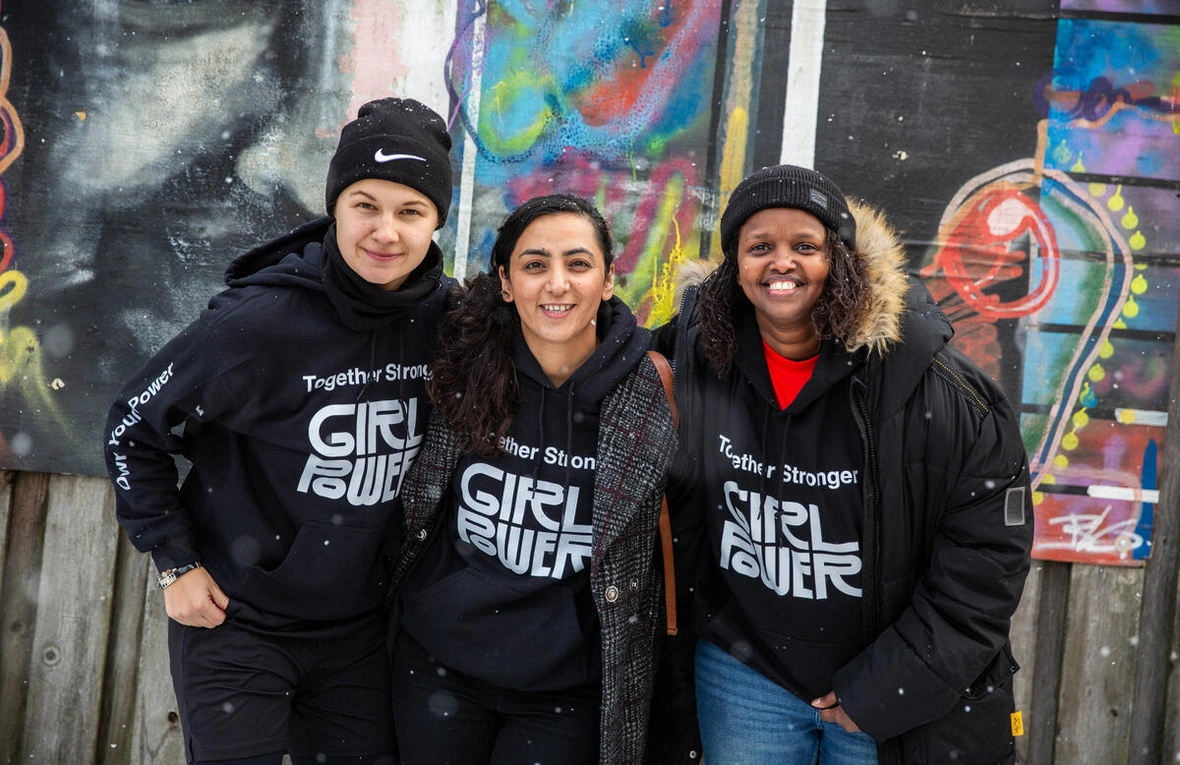
“My journey from playing football in Afghanistan to founding ‘Girl Power’”
I used my love of sports to inspire young Afghan girls to dream big. Now, the organisation I started is providing opportunities to refugee women and girls all over the world.

‘Afghanistan’s women carpet weavers thrown an economic lifeline’
A UNHCR supported carpet weaving and processing centre will provide new jobs and better working conditions for former refugee and displaced Afghan women.

Visually impaired women find hope in eastern Afghanistan
With tailored support, women who are blind are gaining the education, skills, and confidence to build a brighter, more independent future.