
Iraq crisis
UNHCR supported catch-up classes help refugee and local children stay on track with their education and build a brighter future.
Last updated November 2025
Photo: ©UNHCR/Rasheed Hussein Rasheed
Over one million people remain displaced in Iraq, alongside more than 300,000 refugees and asylum-seekers. Please give these families the support they urgently need.

Cash assistance
for rent, food and other basic needs.

Protection
including legal aid, child protection and psychosocial support.

Help to rebuild
so families can return to their damaged homes.
What’s happening in Iraq?
Iraq is currently experiencing relative stability. However, the country still faces protracted humanitarian and development needs, a complex political environment and a volatile security situation.
Iraq hosts over 341,000 refugees and asylum-seekers, the majority (88%) of whom are Syrian.
UNHCR is supporting families through sustainable development, protection and community empowerment.
Iraq has more than one million internally displaced people (IDPs). Many face significant barriers to returning home or successfully integrating into new communities, including insecurity, lack of livelihoods and financial resources and damaged housing. In addition, five million IDPs have already returned to their homes and enjoy equal rights to the rest of the Iraqi population, but also face similar challenges.
Where are Iraqi families fleeing to?
Around 100,000 people who are displaced within Iraq continue to live in 20 camps located in the Kurdistan region of Iraq.
Many people who have been forced to leave their homes hope they can go back one day. But for some, returning isn’t possible or safe. UNHCR supports the closure of camps as long as people are given long-term options for where to live and can make their own choices freely.
How is UNHCR supporting displaced Iraqis?
Many of the challenges facing displaced people in Iraq stem from socio-economic pressures, human rights deficits and the absence of the rule of law. UNHCR is shifting from emergency aid to a longer term approach, helping people displaced within Iraq to access civil documentation, integrate into social protection systems and find lasting solutions for their future.
How is UNHCR helping families rebuild their lives?
UNHCR is working with the Government of Iraq and other organisations to help refugees and asylum-seekers access protection, public services like education and healthcare, economic opportunities and lasting solutions to rebuild their lives.
Where can I access latest data, maps and reports?
Iraq Operations – UNHCR’s relief work to protect displaced people inside Iraq.
Iraq Situation Portal – for latest updates on the crisis overall, including UNHCR situation reports, funding requirements and UNHCR’s support for countries hosting refugees from Iraq.
Did you know that UNHCR has just 24% of the $158.5 million needed to sustain vital operations and programmes in Iraq in 2025?

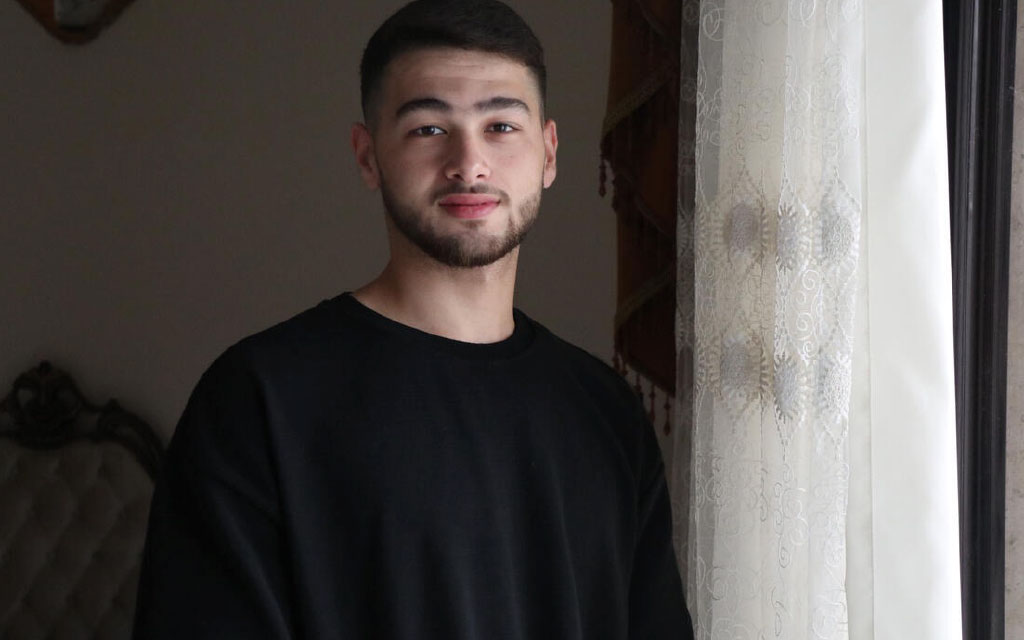
In 2006, during the Iraq war, Othman and his family fled their home and headed towards Syria to seek safety.
He started his higher education as a medical student and then shifted to dentistry. When his younger brother joined the university, his father couldn’t afford the expenses for both of his children, prompting Othman to apply for UNHCR’s Refugee Scholarships Programme.
Othman looks forward to continuing his education and getting a master’s degree. “When we fled Baghdad, I was six years old. As I grew up, I knew we were forced to flee because of persecution.”
© UNHCR/Emad Kabbas